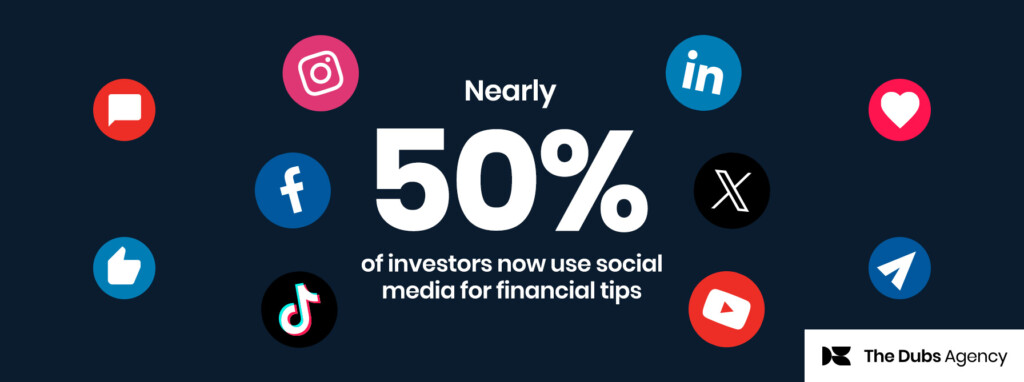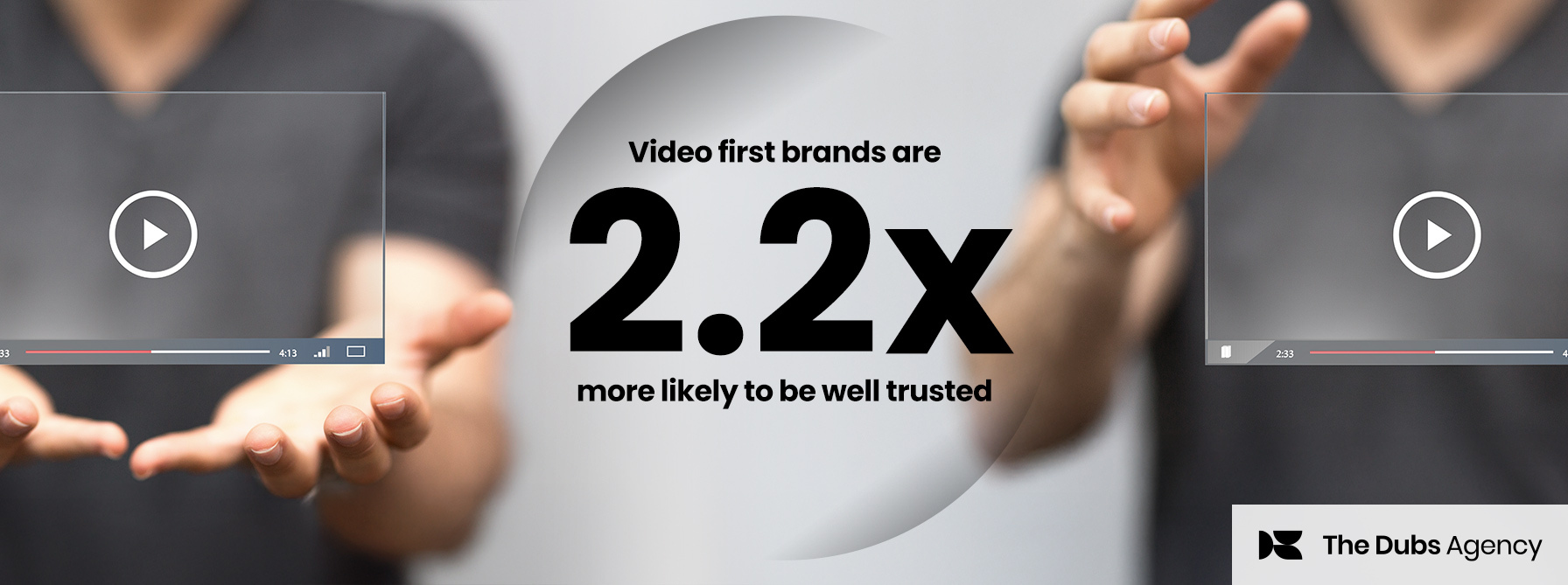

If 2025 was the year video became important, 2026 will be the year it becomes non-negotiable for financial marketers.
LinkedIn data shows video uploads on the platform increased by 45 percent year on year, with the company projecting a further 65 percent growth in video content consumption as video-first formats take hold across the feed. The implication is clear. Financial professionals are no longer just tolerating video. They are actively choosing it.
This shift reflects a deeper change in how audiences consume information. Visual and dynamic formats allow complex financial ideas to be understood faster, with greater emotional resonance, than static text alone. According to HubSpot’s 2025 marketing report, video delivers the highest ROI of any B2B content format, outperforming blogs, static posts and long-form written content.
For financial services brands, the risk is no longer doing video badly. The real risk is not doing it at all.
As highlighted in Financial Marketer’s 2026 predictions, feeds are becoming increasingly video-saturated. Visibility is now dictated by format as much as message. Brands that rely solely on text-based thought leadership are already losing share of attention.
Chris Duffey, author of Superhuman Innovation, puts it simply:
“ Video compresses trust building. In regulated industries like finance, that speed matters.”
From one-off videos to scalable strategies
The challenge for financial marketers is not whether to invest in video, but how to do it sustainably. High-production hero videos alone are no longer enough. What wins in 2026 is consistency, relevance and cadence.
Leading financial brands are building scalable video ecosystems. This includes short educational explainers, market commentary, adviser interviews, product walkthroughs and leadership perspectives, all designed to be produced efficiently and distributed natively across platforms like LinkedIn.
According to Wyzowl’s 2025 Video Marketing, 89% of businesses use video as a marketing tool, and 98% of viewers say video helps them better understand products and services. In finance, where clarity equals confidence, that understanding is a commercial advantage.
The takeaway for financial marketers is clear. Video is no longer a supporting asset. It is the core delivery mechanism for brand, education and trust in 2026.
If you liked this article and want to know more contact The Dubs Agency we’d love to help.
[For full disclosure: The author used Gemini to research this article while the podcast was created using ElevenLabs]